Q: What is the context this project begins with?
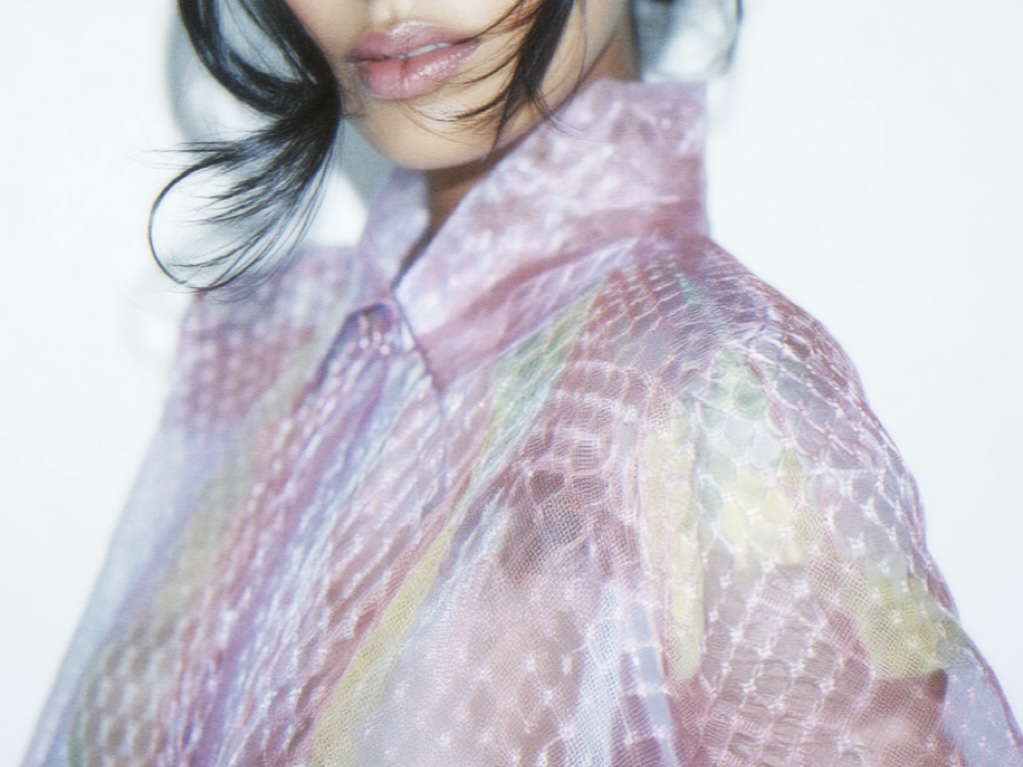
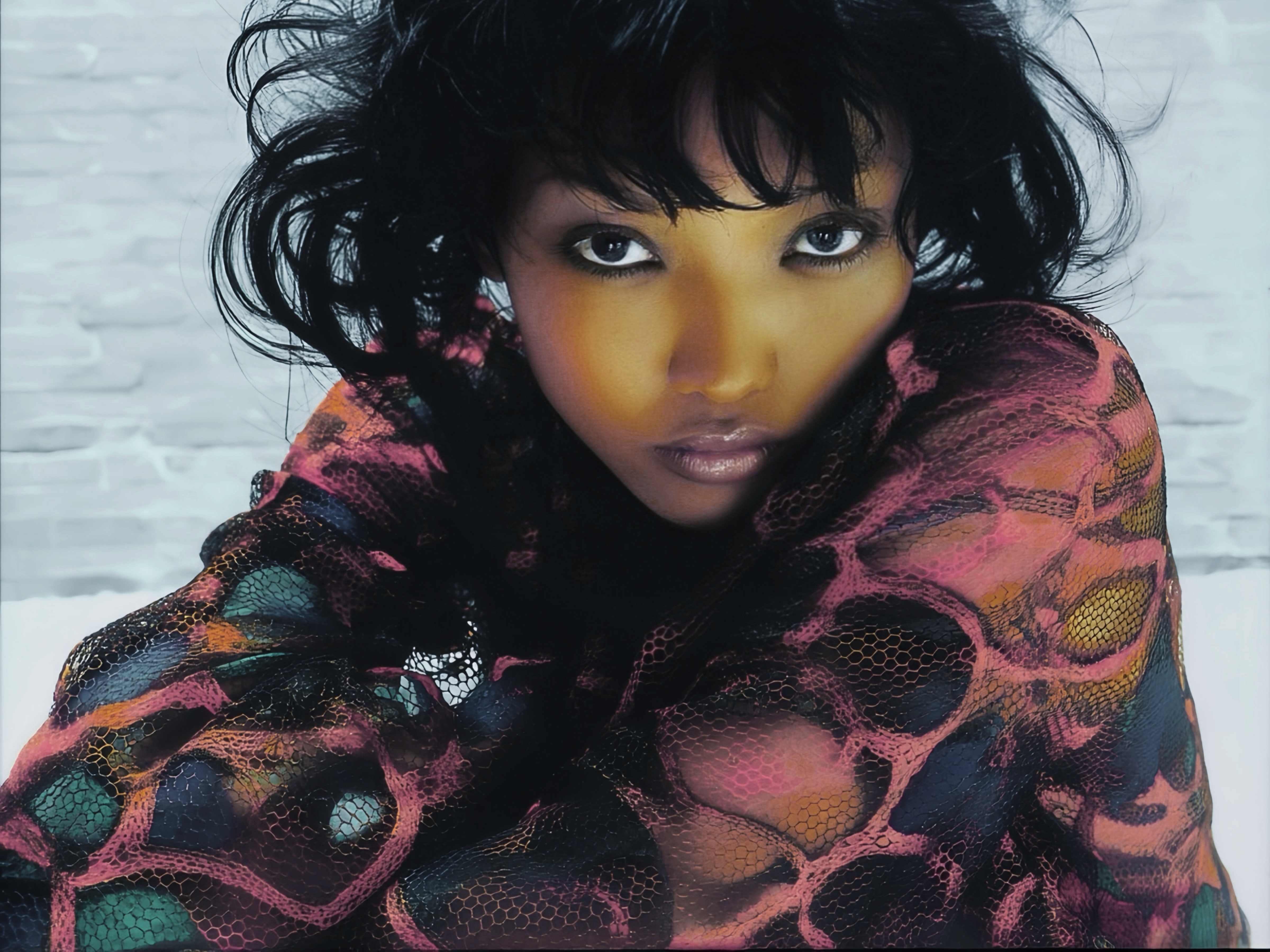
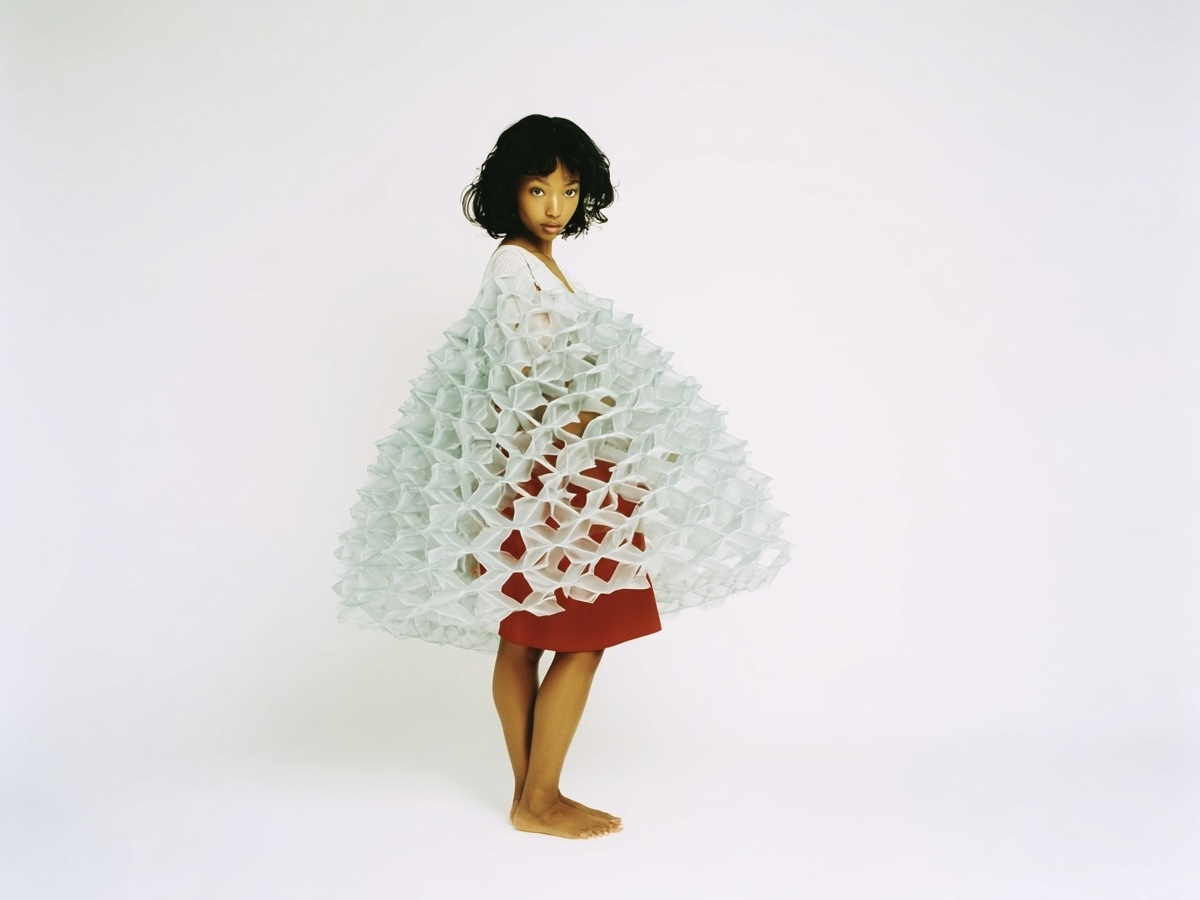
A: Fashion, or ready-to-wear garments are built on many decisions, while people and environments are changing all the time. This system recognizes that difference, and tries to propose an alternative relationship.
Q: How does the system involve the wearer?
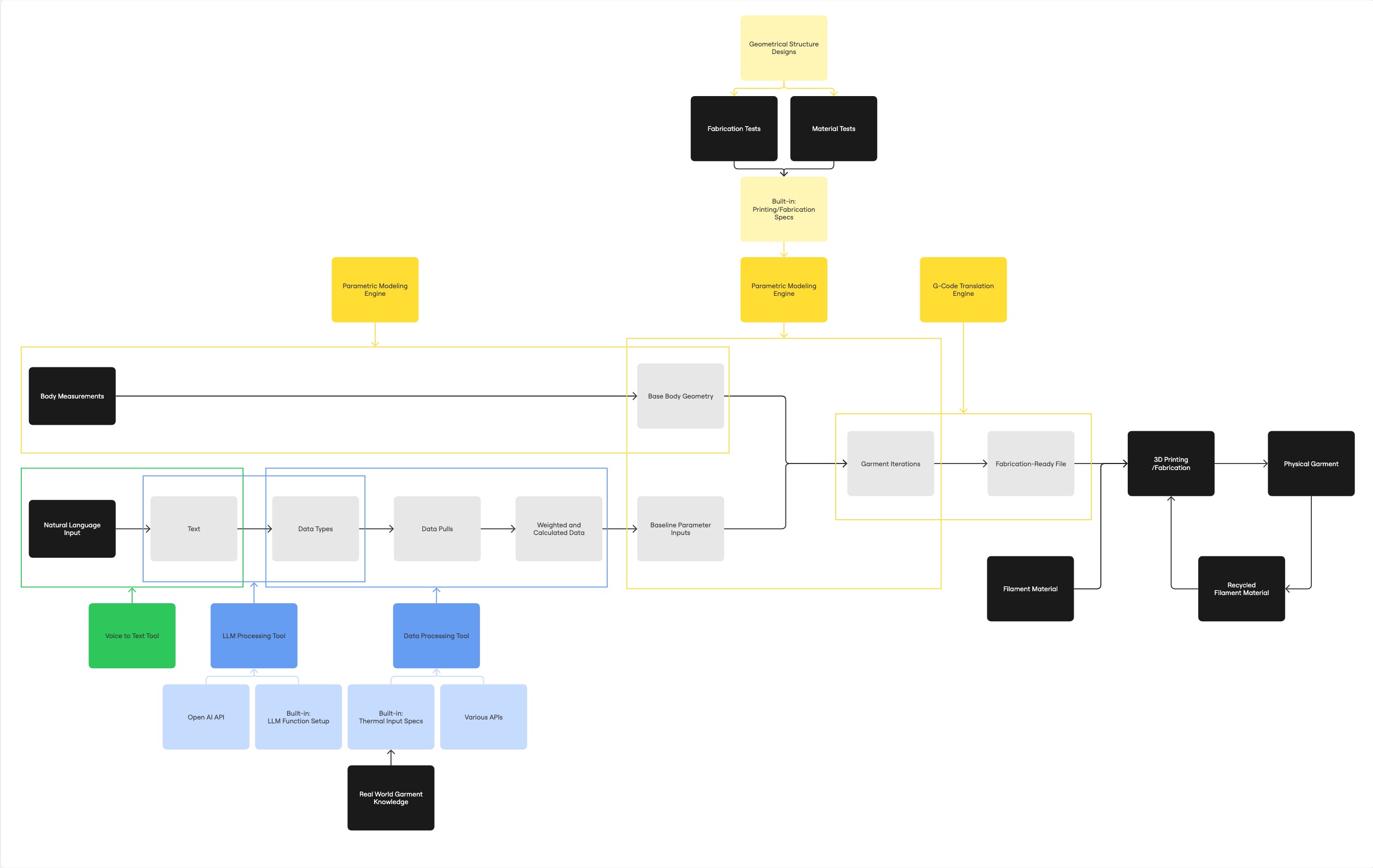
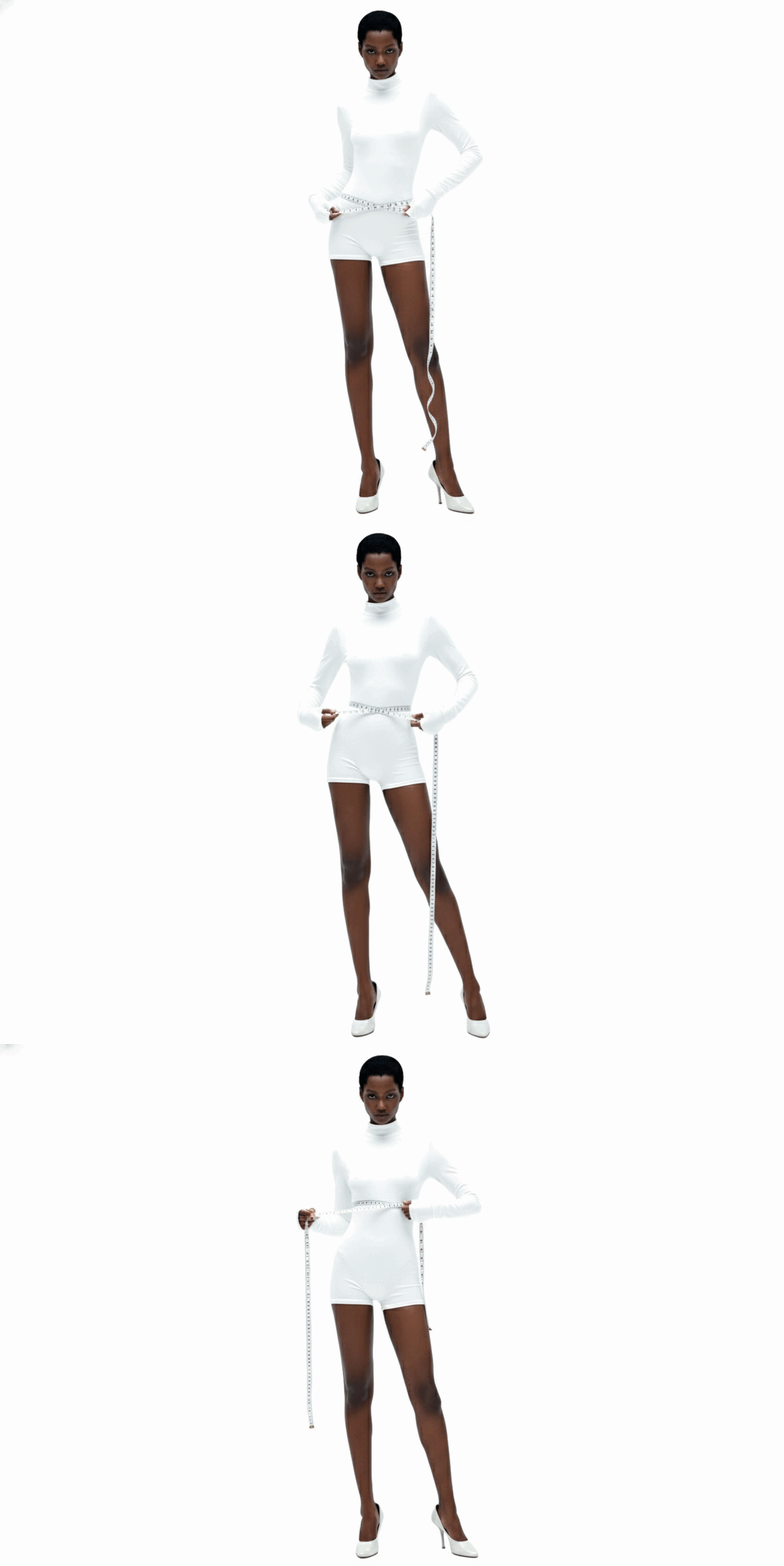
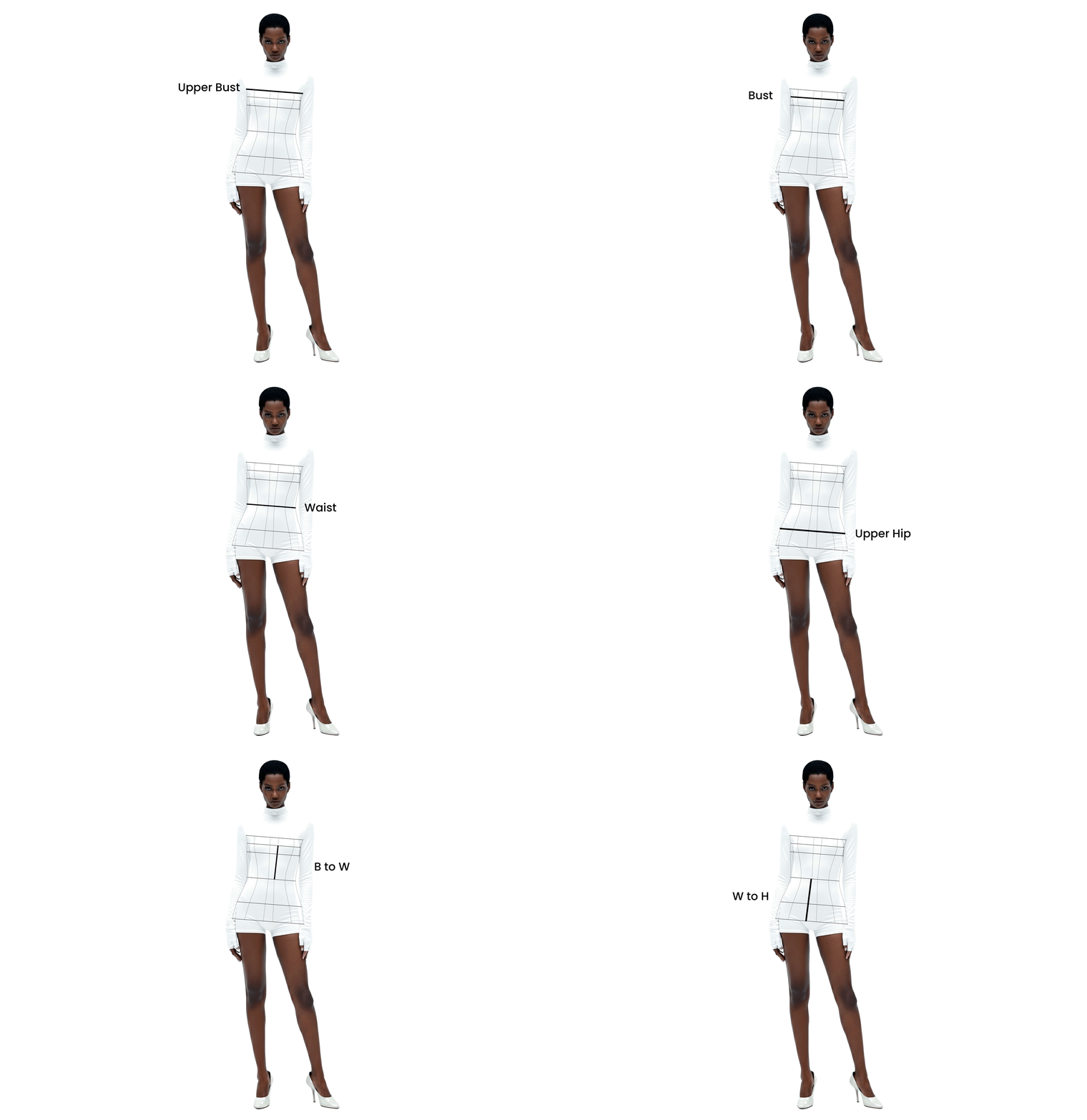
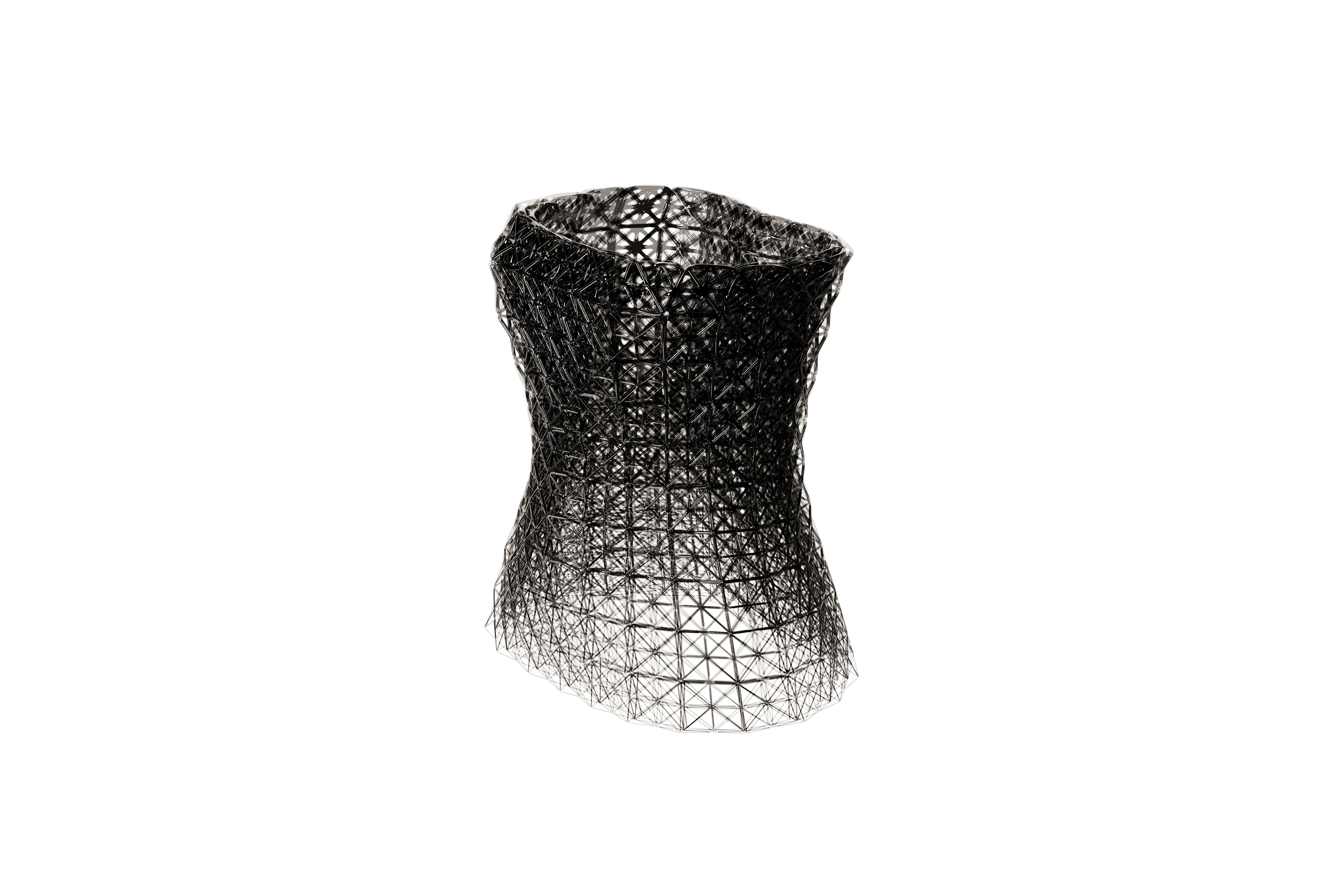
A: The wearer's physical body and daily context become the beginning of the design logic, so each garment iteration reflects the life it was made for.
Q: How is data used here?
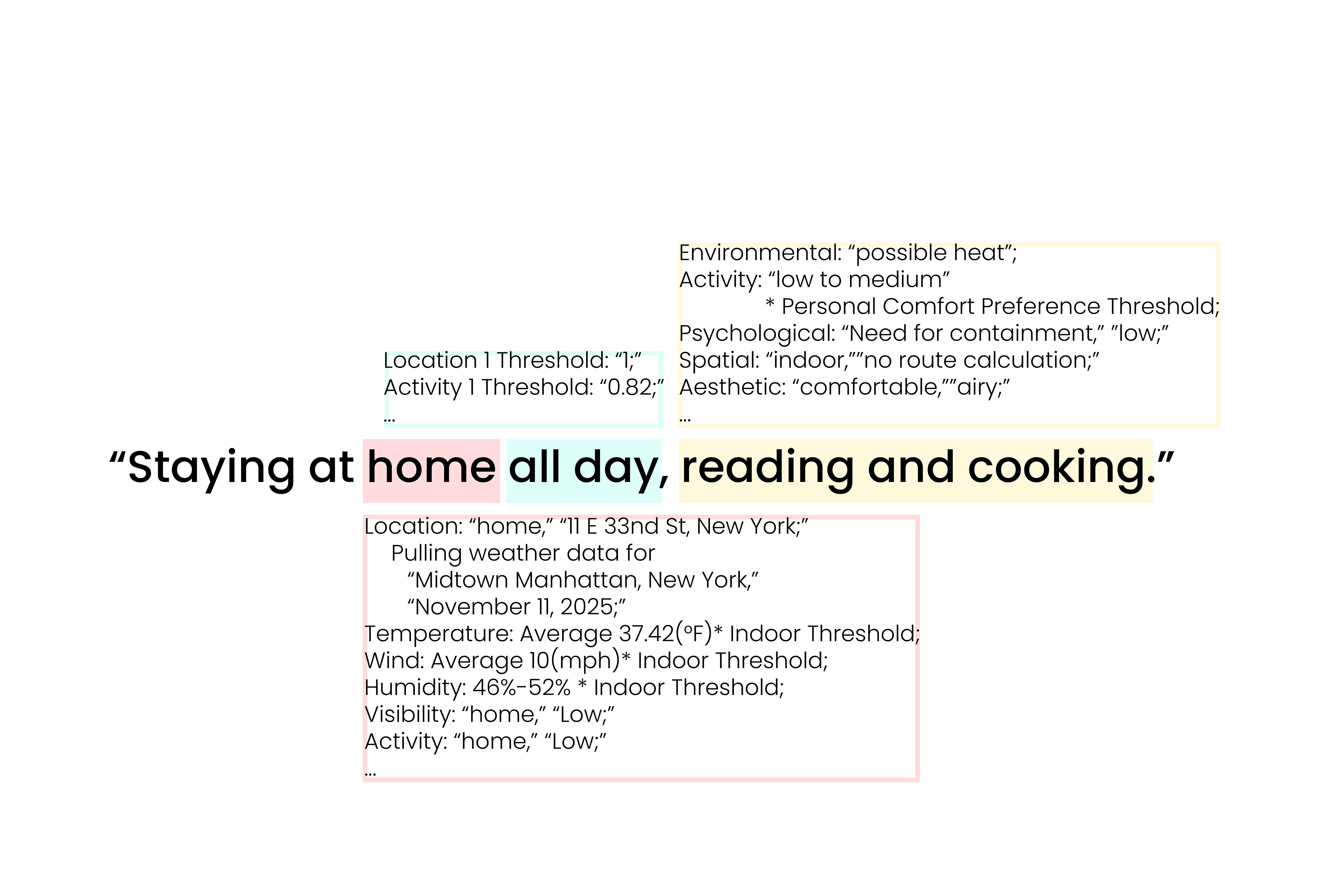
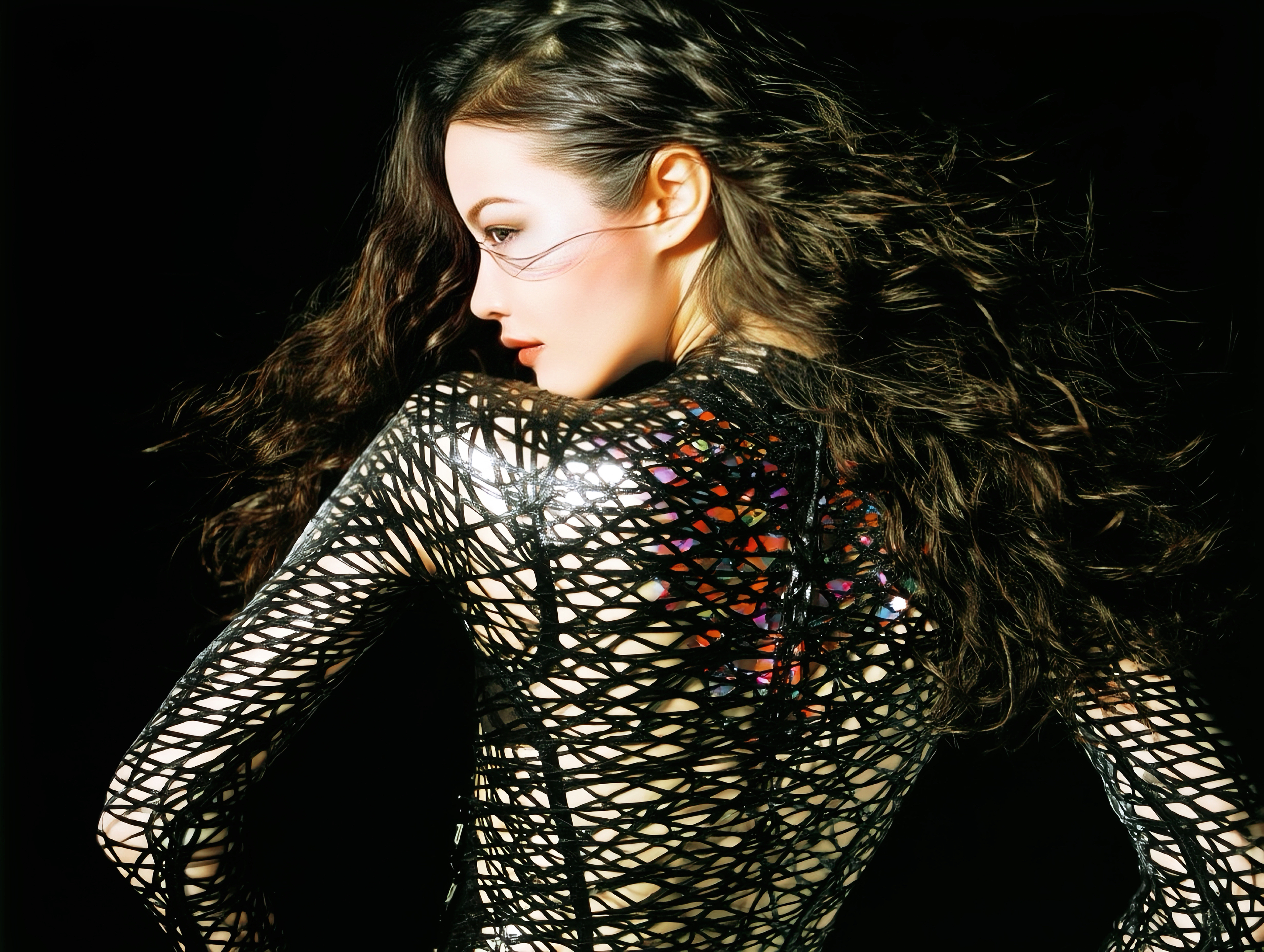
A: Data acts as a design material, environmental, spatial, bodily, and emotional inputs collectively shape the garment form.
Q: How does this system reinterpret garment function?
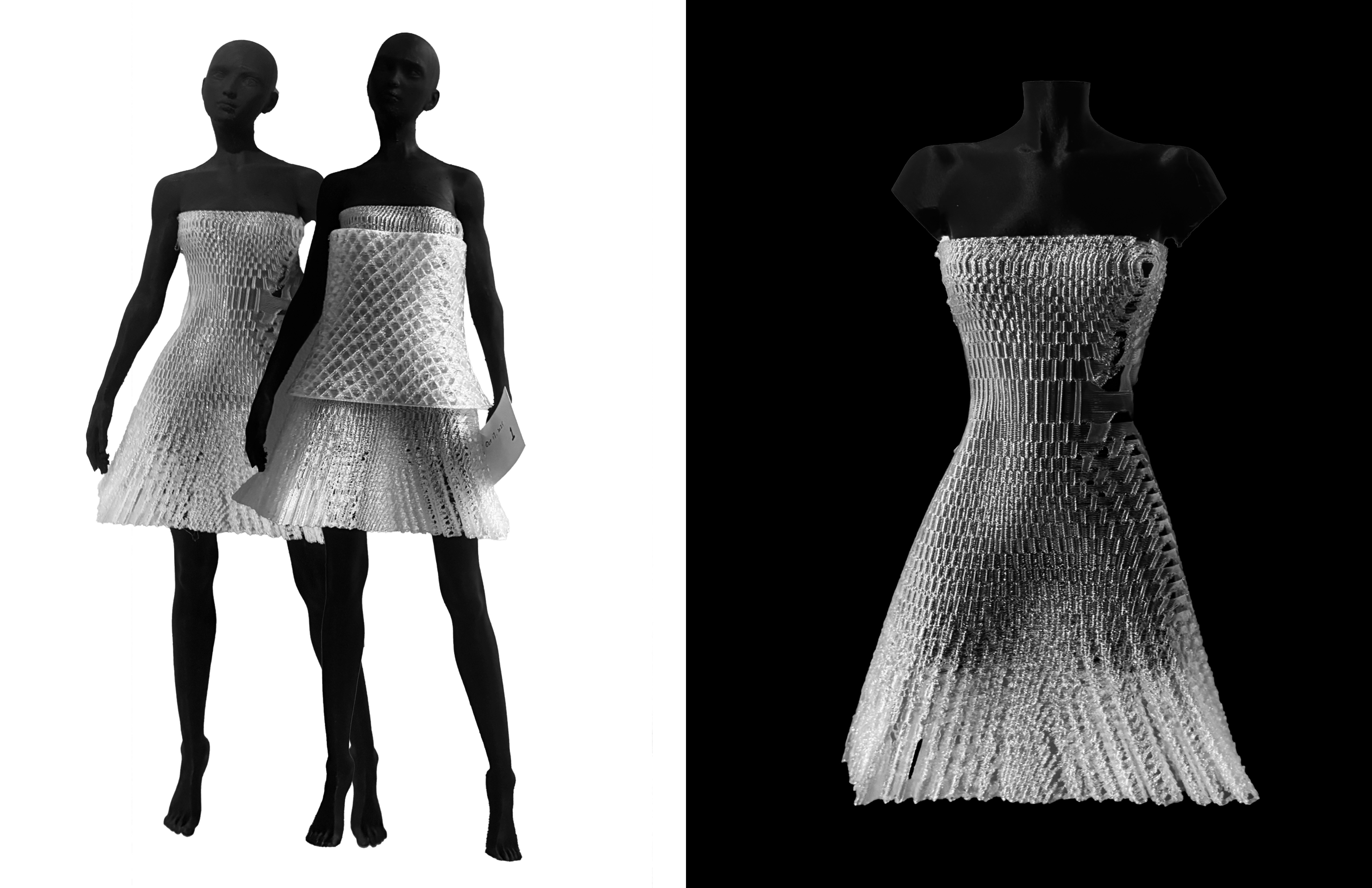
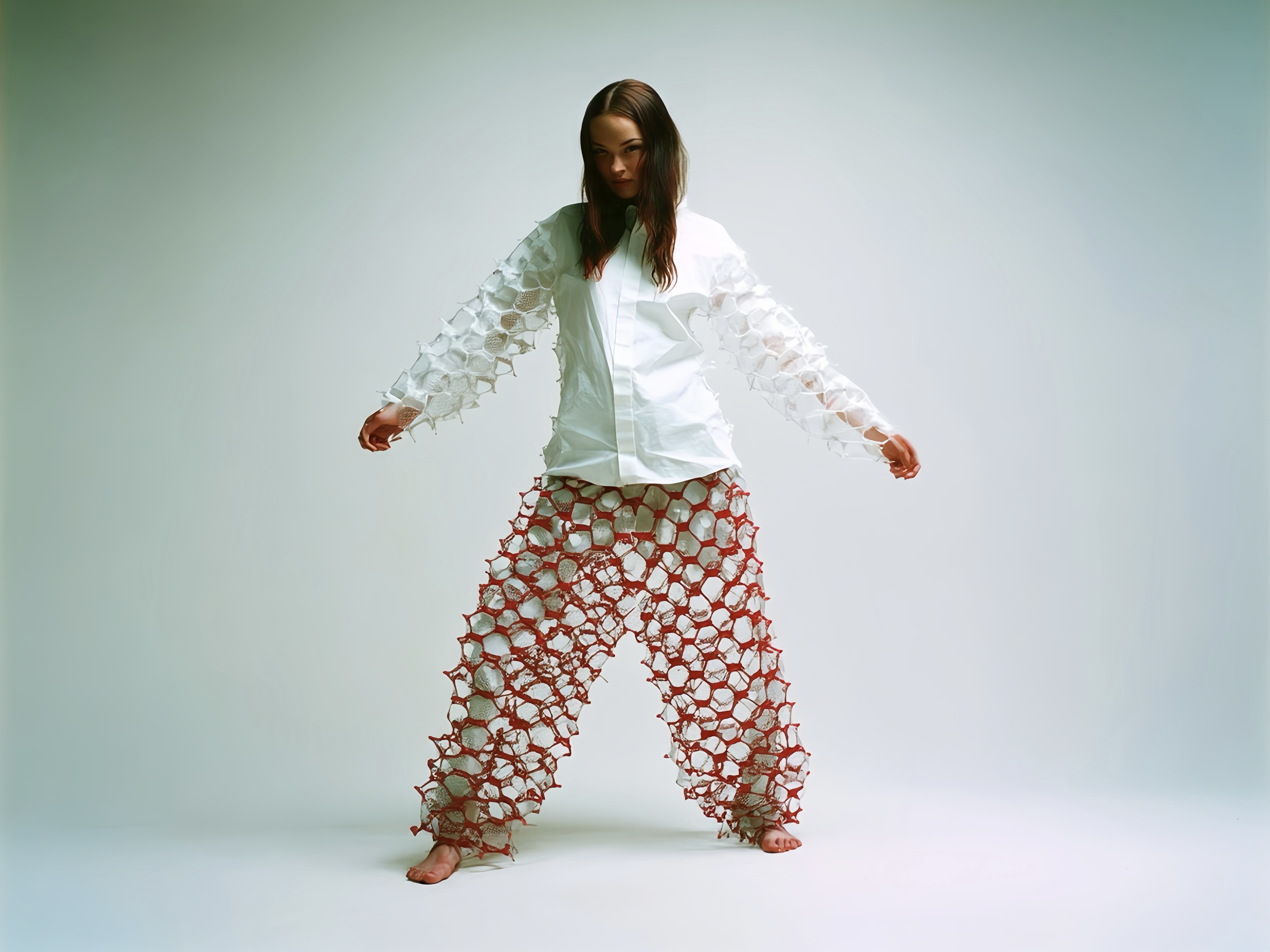
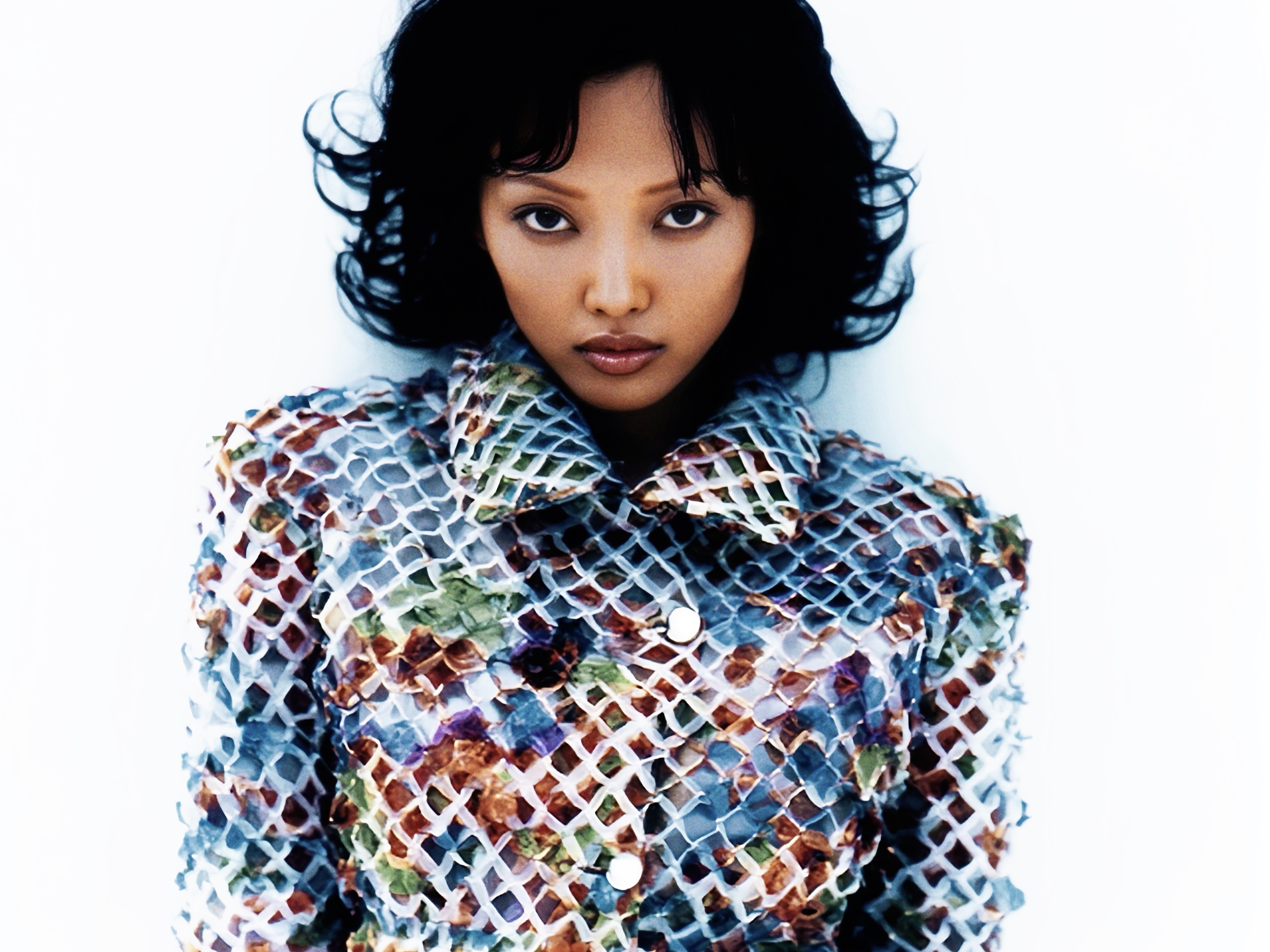
A: Function becomes responsive rather than assigned. The hope is to bring function, aesthetic, and fabrication of the garment as one process.
Q: Why 3D printing?
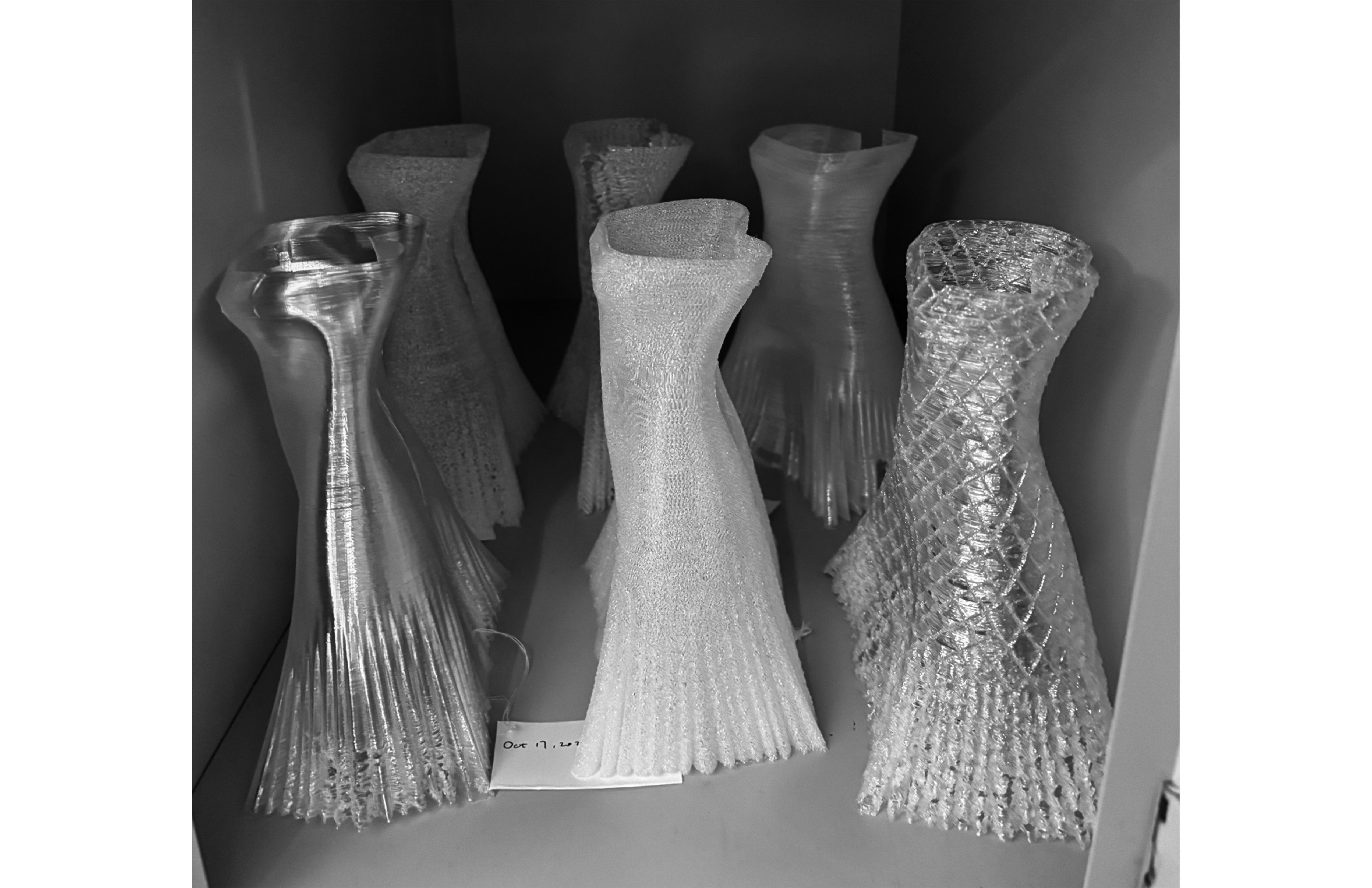
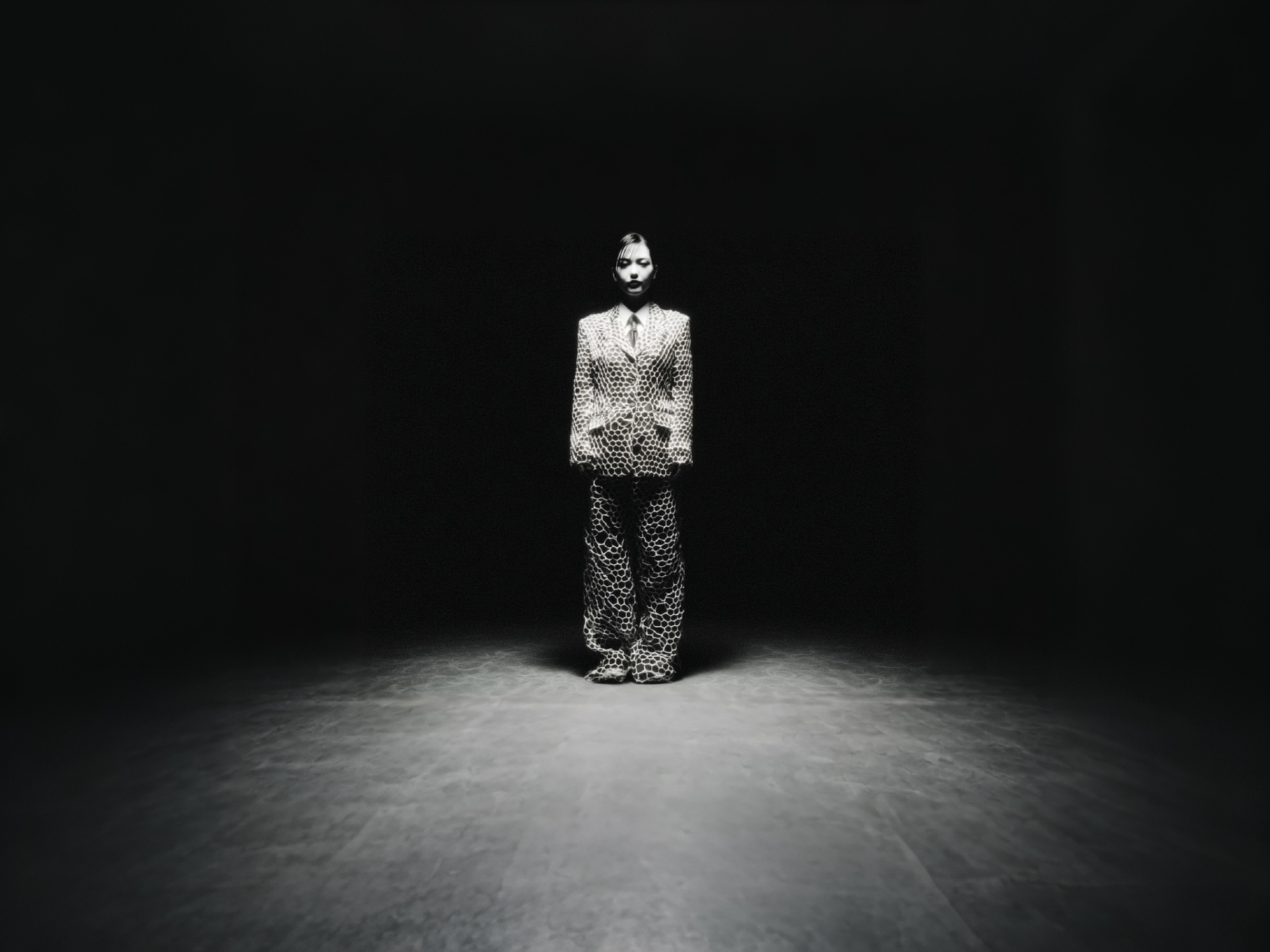
A: It replaces the finality of cut fabric, allowing material to be formed, used, recycled, reclaimed, and reformed, without waste. Material circularity and on-demand fabrication can both contribute to a more sustainable industry.
Q: What does this mean culturally?
A: It shifts fashion away from hierarchy to a shared authorship between experience, environment, and design.
Q: And what does this system propose for the future of wear?
A: A circular, computational process where garments continually evolve alongside the people who live in them.